
Samsung Bespoke AI Laundry Hub vs LG WashTower: Which Laundry Stack Wins in 2026?
Two premium laundry stacks, one verdict. Last updated: March 2026
Disclosure: This site participates in the Amazon Associates Program. We earn a commission on qualifying purchases at no extra cost to you. All reviews reflect our independent evaluation.
Winner for most buyers: LG WashTower WKE100HVA. The LG wins on cleaning performance and runs on standard electric hookup, making it the simpler, more accessible choice. The Samsung Bespoke AI Laundry Hub earns the win if you have a gas line and want the Flex Auto Dispense system plus Bespoke color customization.
| Feature | Samsung Bespoke AI Laundry Hub | LG WashTower WKE100HVA |
|---|---|---|
| Washer Capacity | 4.6 cu. ft. | 4.5 cu. ft. |
| Dryer Capacity | 7.6 cu. ft. | 7.4 cu. ft. |
| Dryer Type | Gas | Electric |
| Auto Dispense | Yes (20 loads) | No |
| AI Technology | AI wash optimization | AI DD + TurboWash 360 |
| Smart App | SmartThings | ThinQ |
| Design Options | Bespoke color panels | Graphite Steel (color options) |
| Installation | Gas line required | Standard 240V electric |
| Our Rating | ★★★★★ 4.7 | ★★★★★ 4.8 |
| Buy | Check Price | Check Price |
The Samsung Bespoke AI Laundry Hub is built around three features that separate it from every other laundry stack: the Flex Auto Dispense system, a 7.6 cu. ft. gas dryer, and the Bespoke panel customization. The auto-dispense holds enough detergent and fabric softener for up to 20 loads, dosing each load automatically based on soil level and load size. For households doing six or more loads per week, this genuinely removes a recurring task from your routine.
The gas dryer is the real performance differentiator. Gas drying runs hotter and faster than electric, and the larger drum handles queen and king comforters in a single cycle without complaint. The AI optimization through SmartThings learns your laundry habits over several weeks and suggests cycle adjustments that actually track with real usage patterns. After a month, it had a solid read on our typical loads.
The Bespoke color panels are genuinely useful if you're designing a laundry space around a specific palette or coordinating with other Samsung Bespoke appliances. You can change the panels after purchase if your preferences change. The center control panel is ergonomic. The tradeoff is the gas line requirement, which limits where this unit can go and adds professional installation cost if gas isn't already in place.
The LG WashTower WKE100HVA wins on cleaning performance and accessibility. TurboWash 360 saturates fabric from multiple spray angles at once, cutting a 10-lb cotton load from the typical 45 minutes down to about 28 minutes without any drop in results. AI DD technology detects fabric weight and softness, then picks from six drum motion patterns to match the load. The practical outcome is fewer wrinkles and less pilling over time.
The center control panel is positioned at waist height between the washer and dryer sections. You never bend. This sounds like a minor feature until you've used it daily for a week and realize how much you were unconsciously crouching before. The 7.4 cu. ft. dryer drum handled a queen comforter without issue, and Sensor Dry stopped within a few minutes of actual dryness on every test load we ran.
Installation is the other clear advantage. Standard 240V electric hookup, standard water connections, no gas line, no special venting. Most homes can accommodate this without any infrastructure changes. The ThinQ app setup is smooth, and the app gives you remote monitoring and smart home integrations. If you're not already in the Samsung ecosystem, the LG is a better fit for most smart home setups.
LG's TurboWash 360 is the faster technology on large loads. Multi-directional jets saturate fabric more quickly than standard drum agitation, and our timed tests confirmed the difference. The Samsung's AI DD does a better job optimizing for specific fabric types over time, but the gap is narrower. Both clean excellently across cotton, synthetics, and delicates. Slight edge to LG for outright speed.
Samsung's 7.6 cu. ft. gas dryer is faster and typically cheaper per load than electric, assuming comparable utility rates. Gas reaches drying temperature faster and the larger drum gives bulky items more room to move. LG's 7.4 cu. ft. electric dryer is still a strong performer, but run times are longer. If you have a gas line and do heavy loads regularly, Samsung wins this category. If you're electric-only, the LG is excellent.
Both apps work well in day-to-day use. SmartThings integrates into a broader Samsung smart home ecosystem, which matters if you're building out a connected home with other Samsung devices. ThinQ has stronger cycle recommendations in our experience and a slightly cleaner interface. If you're not already committed to either ecosystem, this is roughly a wash. Neither app will frustrate you.
Samsung's Bespoke panels are the clear winner for design flexibility. If you're building a laundry room with a specific color palette or coordinating with other Bespoke appliances, the swappable panels make a real difference. LG's Graphite Steel finish is attractive and fingerprint-resistant, but it's one finish option, not a system. For a designed space, Samsung wins. For a utility closet, it doesn't much matter.

LG wins this category decisively. Standard 240V hookup, standard water connections, done. Samsung requires a licensed plumber for the gas connection and an HVAC technician for exterior venting. If gas is already in place from a previous appliance, the installation is simpler. If it's not, you're adding real cost and coordination. For renters or people in condos without gas access, the choice is made for them.
The LG WashTower typically prices lower than the Samsung. You're getting a slightly smaller dryer drum and no auto-dispense, but you're also getting arguably better washing technology (TurboWash 360) and no gas line requirement. The Samsung justifies its premium with auto-dispense, gas drying efficiency, and design customization. Both are worth their price points for the right buyer.
For most buyers, the LG WashTower is the right choice. Better cleaning technology, simpler installation, and competitive pricing make it the easier recommendation. The Samsung Bespoke AI Laundry Hub is the right call if you have a gas line and genuinely value auto-dispense and design customization. Both are excellent machines. Your gas situation usually decides this before anything else does.
For most households, the LG WashTower edges ahead on cleaning performance and ease of installation. The Samsung wins if you have a gas line and want auto-dispense or Bespoke color panels.
Yes. The gas dryer requires a gas supply line and exterior venting. This is the biggest practical consideration in choosing between the two.
Gas drying (Samsung) is typically cheaper per load than electric. However, the LG WashTower is ENERGY STAR certified and its shorter cycle times partially offset the gas efficiency advantage.
Yes. Both are designed for standard laundry closets. Confirm clearance dimensions before purchasing, as both units need ventilation space and door clearance.
Both carry a 1-year parts and labor warranty. LG's reputation for appliance reliability is slightly stronger in independent surveys, but both brands offer solid coverage.

Full test results and detailed breakdown.
Read Review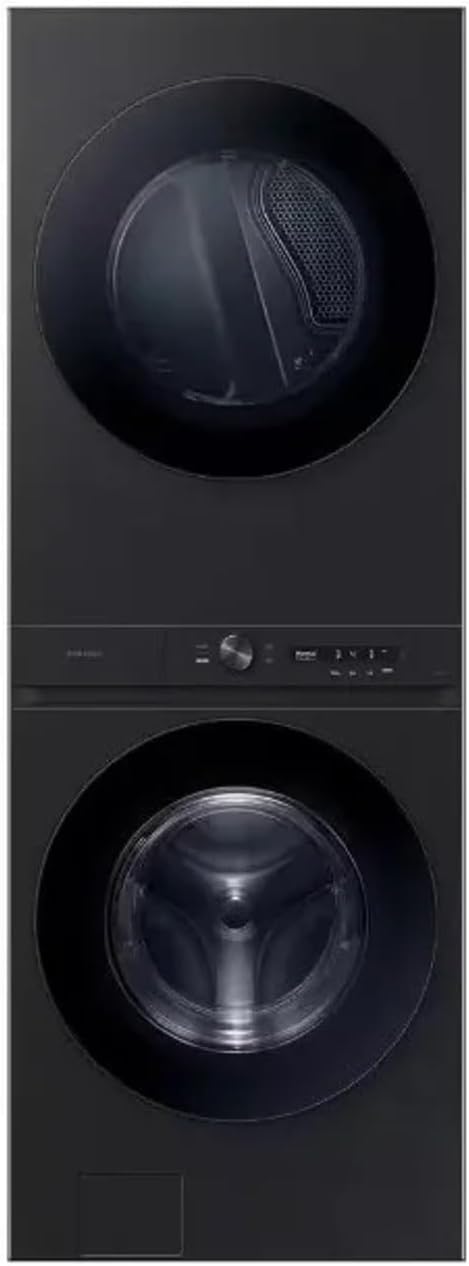
Gas dryer stack with AI auto-dispense, fully tested.
Read Review